Average Cost for New Kitchen Cabinets
Average Cost for New Kitchen Cabinets: Everything You Should Understand Before Buying
When it comes to revitalizing a kitchen, very few upgrades offer the same level of transformation and enduring benefit as custom kitchen cabinets. They shape the essence of the room, set the tone for functionality, and boost your home’s overall worth. But for most homeowners, figuring out the true cost of cabinetry can be tricky, as prices vary widely depending on materials, finishes, craftsmanship, and installation factors. Whether you’re doing a full renovation or simply upgrading a few elements, knowing where your budget goes will help you make confident, informed choices.
The cost of kitchen cabinets can fluctuate widely depending on whether you choose stock, semi-custom, or fully custom cabinetry. Prefabricated stock cabinetry are mass-produced and offered in common measurements, making them the most affordable option. Semi-tailored designs offer limited yet meaningful design customization, giving homeowners better creative input. Fully custom kitchen cabinets, however, are built to order, engineered for precision and individuality. While this exclusive option costs more, the investment pays off in durability, precision, and lasting beauty.
On average, the price for new kitchen cabinets ranges between $10,000 and $25,000 for a standard-sized kitchen, though it can easily exceed $40,000 for luxury-grade cabinetry projects. Entry-level prefabricated cabinets might cost between $100 and $200 per linear foot, while custom cabinets can range from $500 up to $1,200+ per linear foot. These figures reflect both craftsmanship and material costs, though enhancements like premium hinges or lighting systems add extra expenses. Still, for homeowners pursuing quality and personalization, custom cabinetry remains one of the most rewarding investments in home improvement.
Several key components influence the total cost of new kitchen cabinets, starting with material selection. Hardwoods like maple, cherry, walnut, or oak come at a higher cost compared to composite materials. The type of finish also greatly influences cost and style. Paint-based coatings offer a clean and contemporary aesthetic but tend to cost more due to the extra labor involved, while stained finishes highlight the natural grain of the wood and are often more budget-friendly. High-end finishes like glazing or distressing introduce depth and sophistication to your custom kitchen cabinets, but they demand artisan expertise and longer lead times.
Cabinet construction methods are another major pricing determinant. Modern European-inspired cabinet structures provide a streamlined, minimalist profile with enhanced usability, while classic framed designs are a traditional choice that emphasizes structure and strength. The decision on functionality-enhancing features also contributes to pricing variations. Premium custom kitchen cabinetry often includes modern storage innovations, which transform workflow and accessibility. These refined finishing touches, while increasing the investment, deliver a cohesive and ergonomic kitchen experience.
The spatial design of your kitchen have a significant effect on final pricing. A wide-format cooking area will naturally consume greater cabinetry volume compared to a tight, efficiency-focused kitchen. Additionally, additional renovation steps like demolition, rewiring, or plumbing relocation will increase the total project cost. A experienced installation expert can guide you through tailored pricing and material options, ensuring your cabinetry plan matches both your aesthetic goals and financial comfort.
Selecting a professional custom cabinet maker guarantees you get meticulous sizing, quality craftsmanship, and attention to detail. Bespoke kitchen cabinets are crafted to integrate perfectly with your home’s architecture, eliminating unnecessary spaces or wasted space. Professional craftsmen also use precise assembly craftsmanship and durable finishes that can endure everyday usage for decades. While ready-made units may look budget-friendly upfront, custom kitchen cabinetry often delivers better long-term value due to its longevity and timeless visual elegance.
An important element that influences the overall kitchen cabinet pricing is the extent of personalized craftsmanship. Complex decorative work, custom trims, or expert carvings can turn practicality into artistry. Display-style cabinet fronts, built-in lighting features, and seamless paneling enhance visual refinement and unify the kitchen’s overall design. These decorative enhancements do raise total project expenses, but also increase property desirability, making them a smart upgrade for homeowners considering future resale.
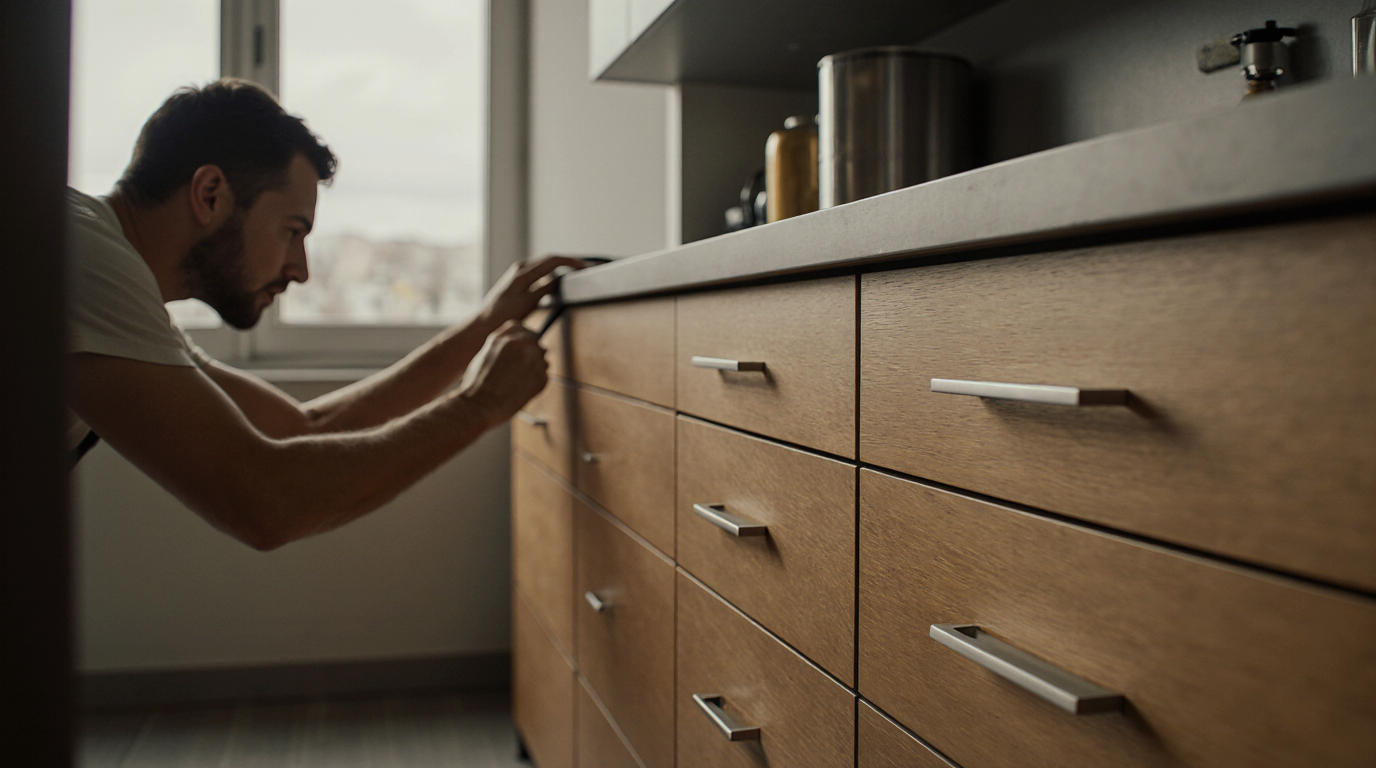
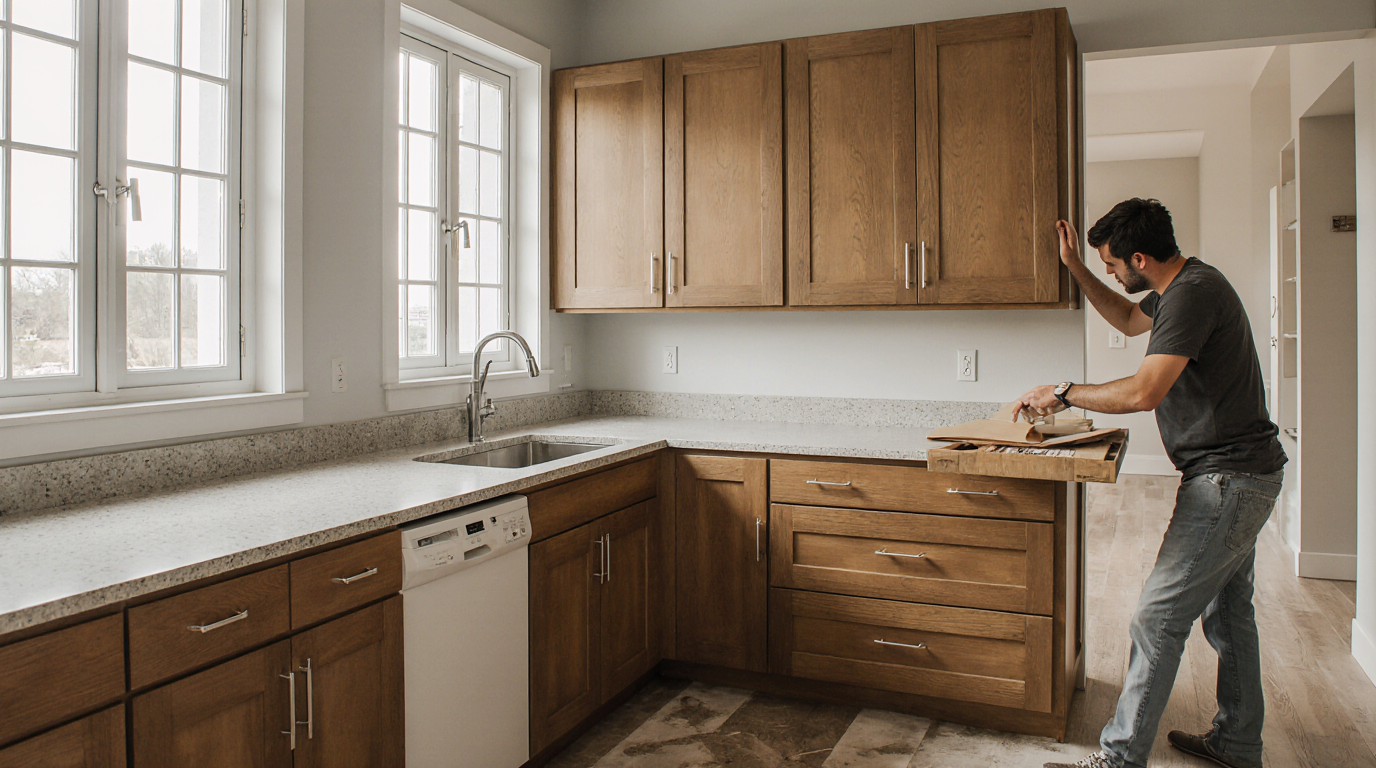
Installation costs are an important factor of your kitchen cabinet budget. Skilled installation service typically represents 10–25% of the project’s total cost. This price covers labor, adjustments, and alignment to guarantee perfect alignment and seamless operation. While some do-it-yourself remodelers attempt to install cabinets themselves, contracting trained installers guarantees structural integrity and optimal alignment—especially when dealing with bespoke cabinetry, which need technical expertise and professional instruments.
Regional pricing differences can also play a role. In major metropolitan areas, construction costs and supplies may rise sharply than in low-cost areas. Likewise, regional supply dynamics, supply chain variations, and contractor availability can shift your final project estimate. To get the most accurate estimate, it’s wise to compare multiple professional bids, examining previous projects, and assessing durability, artistry, and guarantees.
When planning your project, it’s important to plan a financial cushion—typically a modest fraction of the full investment—to cover unexpected expenses such as foundation issues, plumbing reroutes, or additional design modifications. A carefully structured financial plan allows for flexibility while ensuring your custom kitchen cabinetry project remains on track financially.
For those on a tighter budget who still seek an upscale finish, combining textures and finishes can be a clever strategy. Pairing solid wood upper cabinets with MDF or plywood lowers, or using open shelving in place of some cabinetry, can minimize financial strain without losing design appeal. Selecting cost-efficient but elegant materials can also maintain visual luxury while maintaining budget discipline. Collaborating with a professional design consultant guarantees efficient design and timeless appeal.
At the core, the final cabinetry expense represents a blend of material choice, expert effort, and creative vision. While it’s common to prioritize cost over quality, considering long-term value, durability, and functionality ensures wiser decision-making. High-quality custom kitchen cabinets not only redefine your kitchen’s appearance but also its functionality—offering tailored organization, visual harmony, and timeless resilience. For homeowners who believe the kitchen defines the home’s character, choosing tailor-made cabinets is more than just a home improvement effort—it’s a timeless declaration of sophistication and utility.