Cost to Install New Kitchen Cabinets
Kitchen Cabinet Installation Costs: Detailed Breakdown of Prices, Materials, and Expert Services
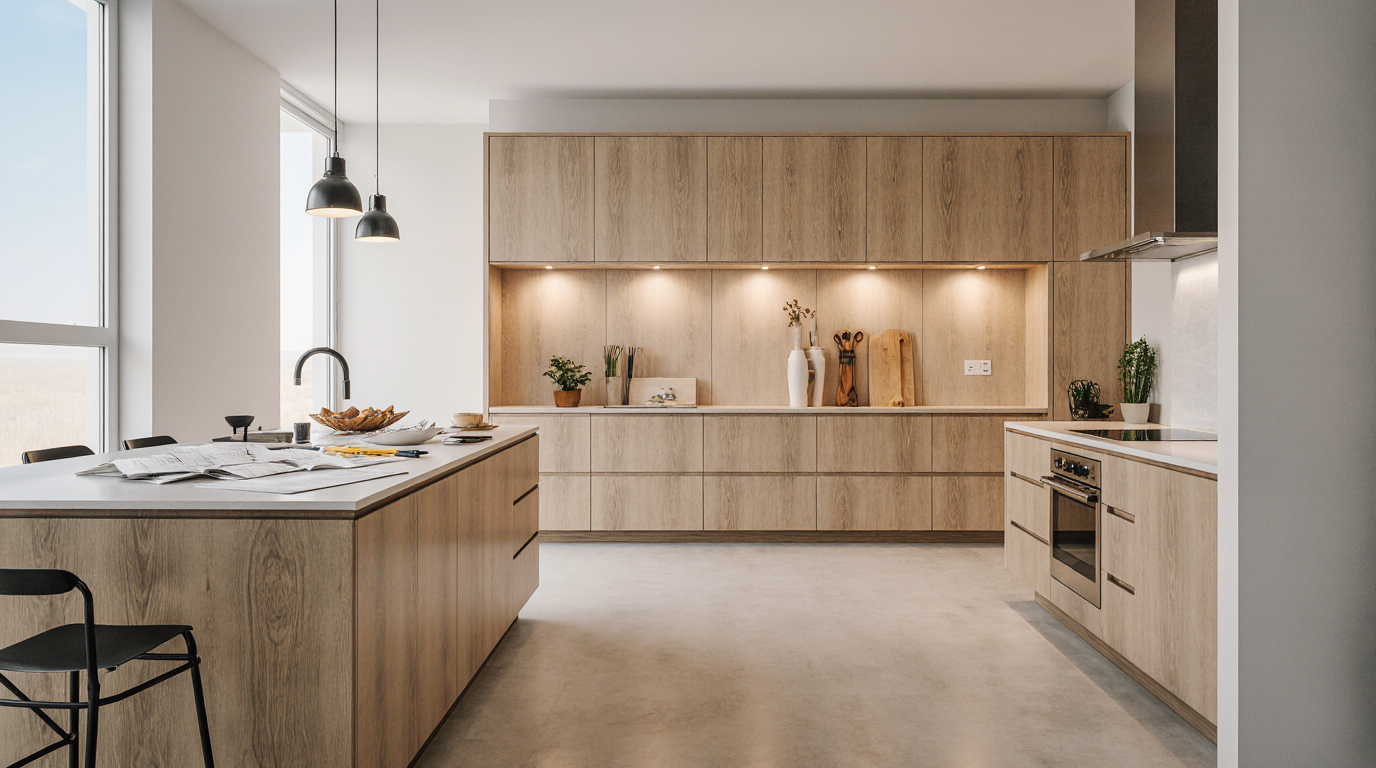
When homeowners begin planning a complete kitchen transformation, one of the primary investments they’ll encounter is the cost to install new kitchen cabinets. Kitchen cabinets are the backbone of any culinary space concept — they define style, optimize storage, and impact both functionality and resale value. Whether you’re refreshing a small kitchen or planning a luxury cooking environment, knowing the variables that shape the total budget is crucial to make budget-conscious and aesthetic decisions.
The average cost to install new kitchen cabinets in the American market varies from $$7,500 to $25,000, depending on materials, labor, and customization level. Homeowners opting for fully customized cabinetry often pay at the premium range of this scale, as custom-built units are crafted specifically for your kitchen’s dimensions and layout. In contrast to stock cabinetry, which are standardized, bespoke cabinets offers flexibility in design, finish, and craftsmanship, which can significantly enhance both the appearance and efficiency of your kitchen.
A critical element in establishing the final budget of cabinet installation is the selection between pre-fabricated, semi-custom, or bespoke cabinets. Basic stock cabinetry are factory-built with fixed dimensions and styles, making them the budget-friendly option. They generally range between $100–$300 per installed linear foot. Mid-tier semi-custom cabinetry, on the other hand, allow adjustable design options in dimensions, finishes, and hardware, ranging from $150 to $650 per linear foot. If you’re seeking unique layouts, specialty woods, or high-end finishes, bespoke cabinetry are the elite choice, often priced between $500 and $1,200 per linear foot. The investment pays off through exceptional craftsmanship, seamless integration, and a tailored style expression.
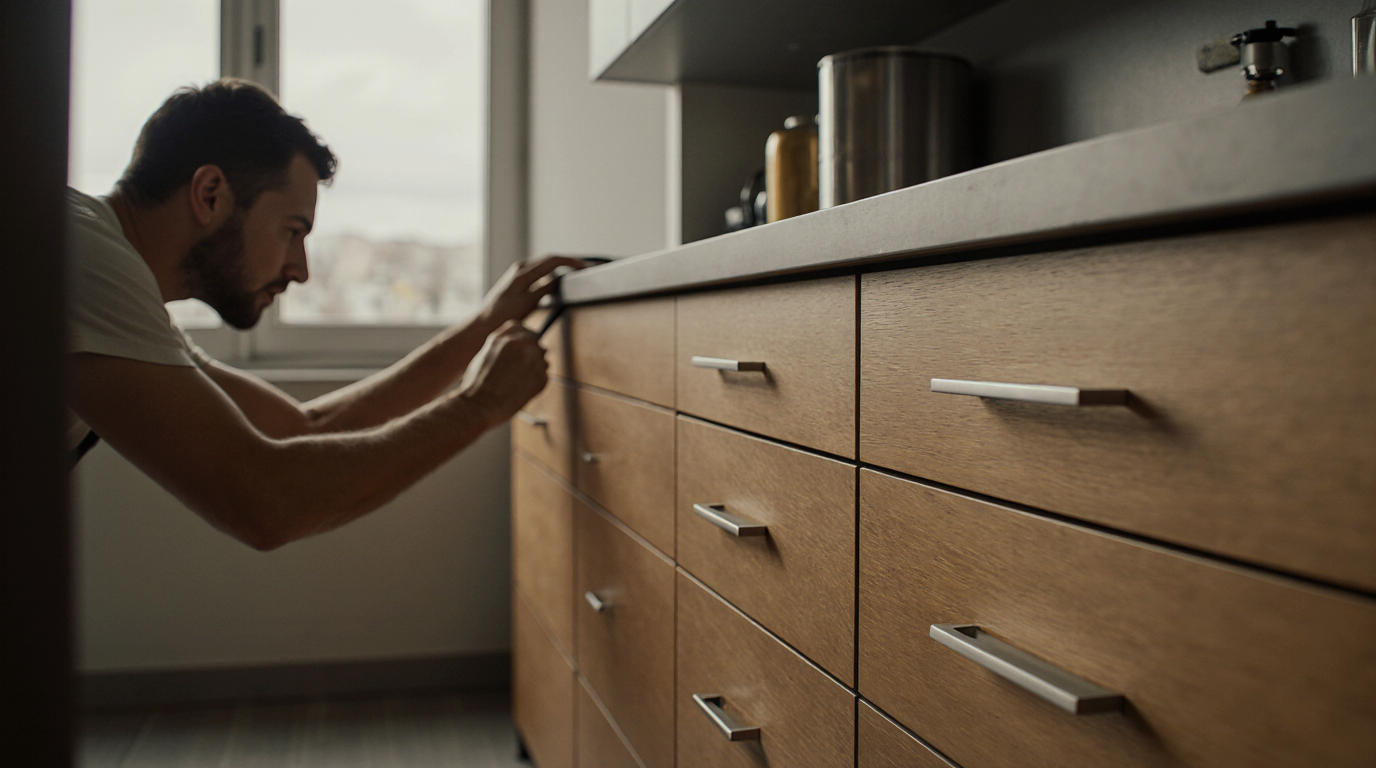
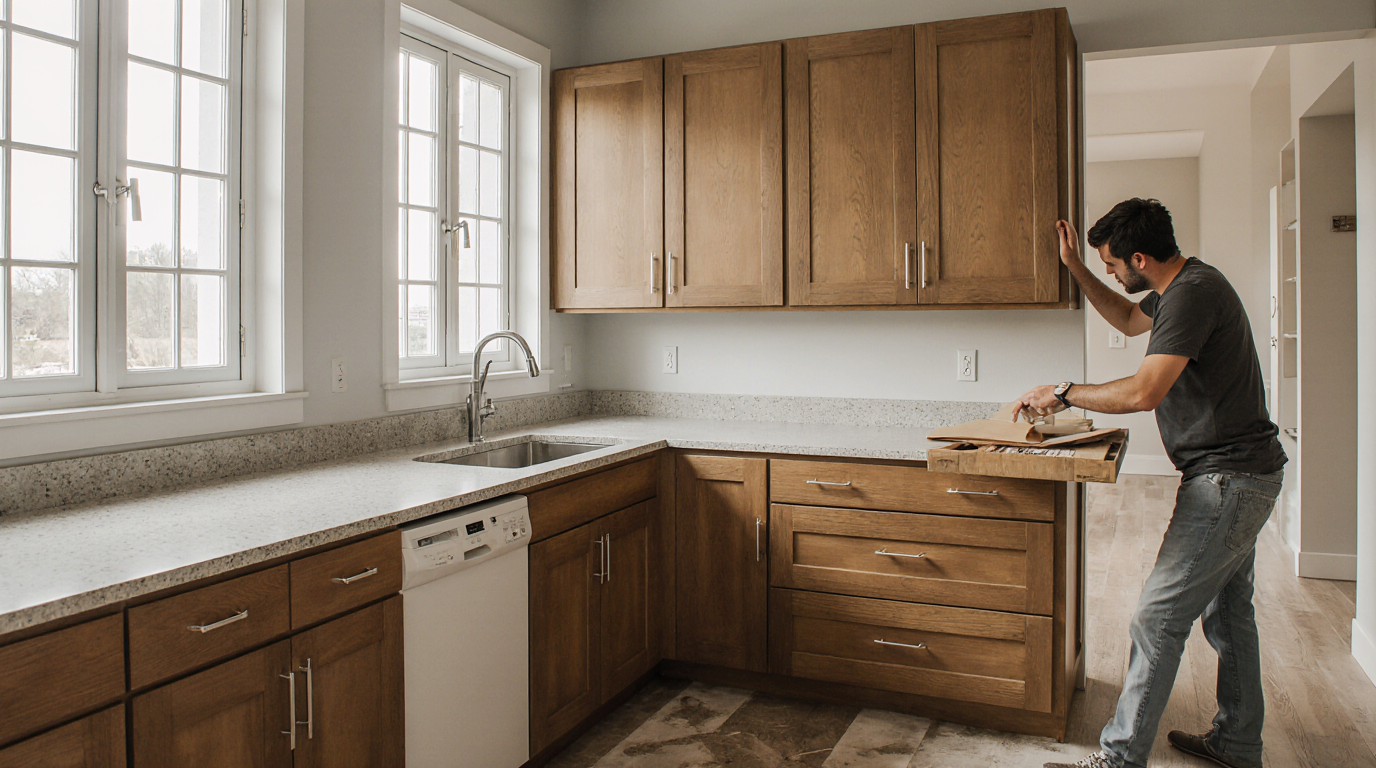
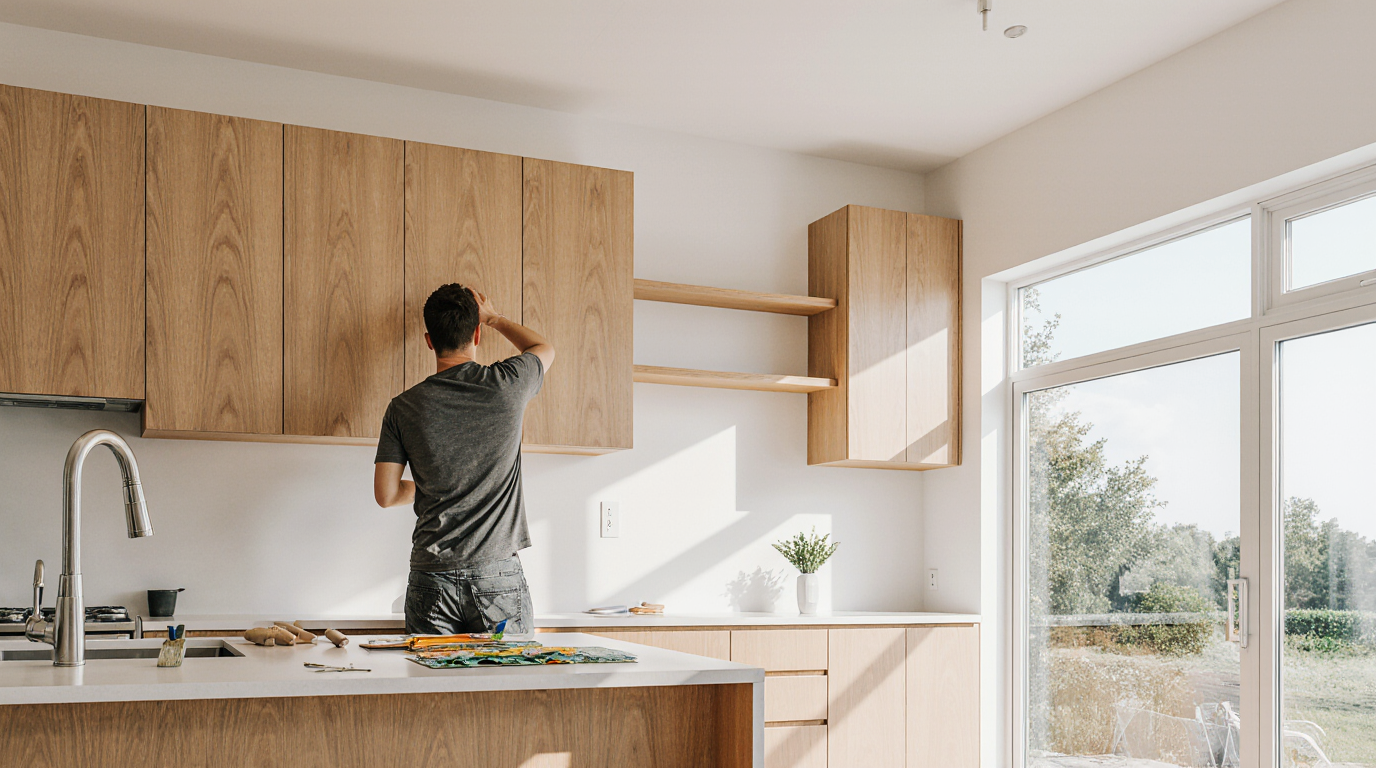
A decisive factor in overall kitchen cabinet pricing is professional installation. Hiring expert cabinet installers can account for about 30%–50% of the total project budget. Skilled carpenters and cabinet installers charge based on complexity, the type of mounting system, and whether adjustments to walls or existing fixtures are required. On average, professional fees range from $2,500–$6,000 for a mid-sized kitchen, while luxury kitchen renovations with specialized features or integrated hardware can exceed $9,000+. Hiring seasoned professionals ensures your cabinetry is stable, balanced, and professionally finished, preventing costly post-installation adjustments.
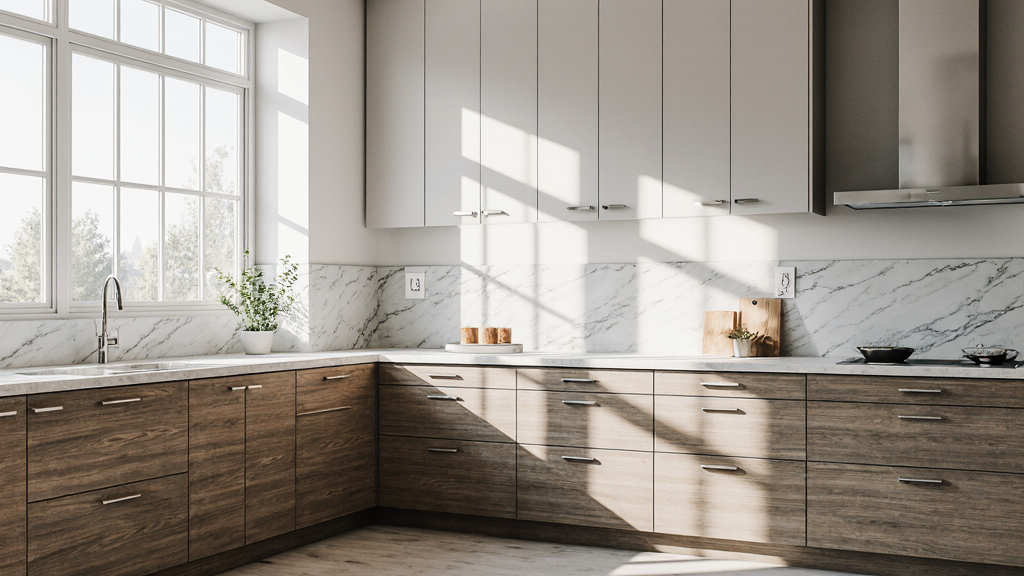
The type of material you select also significantly influences both durability and visual impact. Popular options like hardwood, engineered wood, and modern composites each deliver distinct advantages. Solid wood cabinets, such as oak, maple, or cherry, are sturdy and elegant but tend to be higher in price, ranging from $500 to $1,200 per linear foot installed. Composite cabinetry materials provide a contemporary aesthetic at a more affordable price point, typically between $275–$650 per linear foot. Homeowners seeking a balance between durability and affordability often choose plywood-based cabinetry, known for their strength and moisture resistance.
Innovative design details and finishing upgrades are further elements impacting the overall cabinet installation investment. Features like soft-close mechanisms, slide-out organizers, corner carousels, and accent lighting can significantly enhance both utility and aesthetic appeal. These details not only improve everyday usability but also add measurable property value. For homeowners who value efficient kitchen layouts, choosing personalized cabinet solutions can redefine how organized and practical your kitchen becomes.
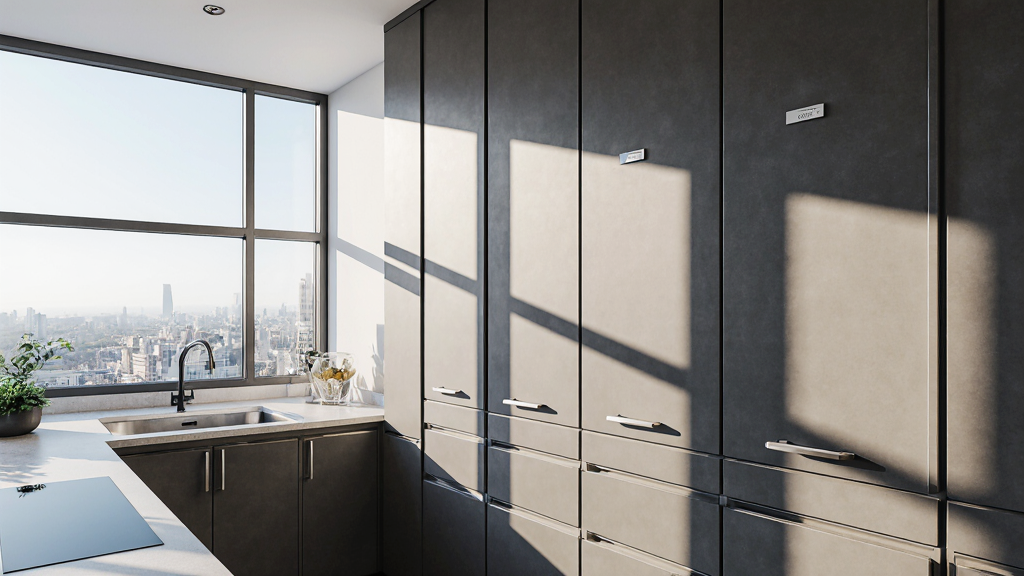
The size and spatial arrangement of your cooking area have a strong influence on how much you’ll pay on new cabinetry. A narrow corridor-style kitchen with restricted wall space may only need 8 to 14 linear feet of cabinets, while a large kitchen might need 40 or more linear feet or even beyond. In addition, space modifications — such as moving appliances, plumbing lines, or partitions — will escalate costs due to additional workmanship and supplies. For this reason, many homeowners choose to work alongside certified cabinet makers who can optimize space utilization and aesthetic flow without excessive expense.
Beyond materials and installation, finishes and colors can significantly influence both price and appearance. Painted finishes are stylish and versatile but can be more expensive than wood stains because they necessitate multiple coats and careful detailing. Naturally stained wood cabinetry showcase the grain of the wood, offering a traditional and inviting aesthetic. Design enthusiasts seeking a high-end result often select bespoke surface treatments like high-gloss lacquer, glazed distressing, or dual-color schemes, each enhancing a personalized personality for the space.}
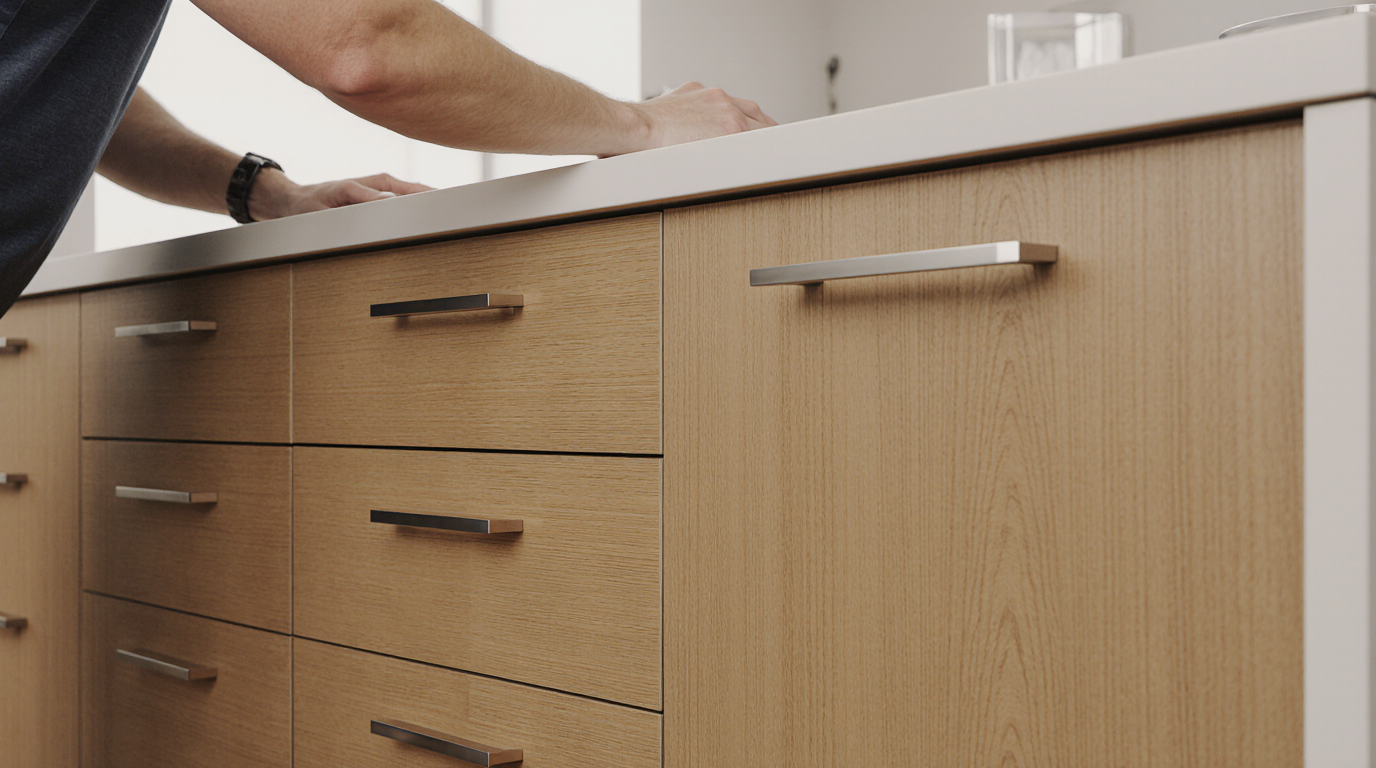
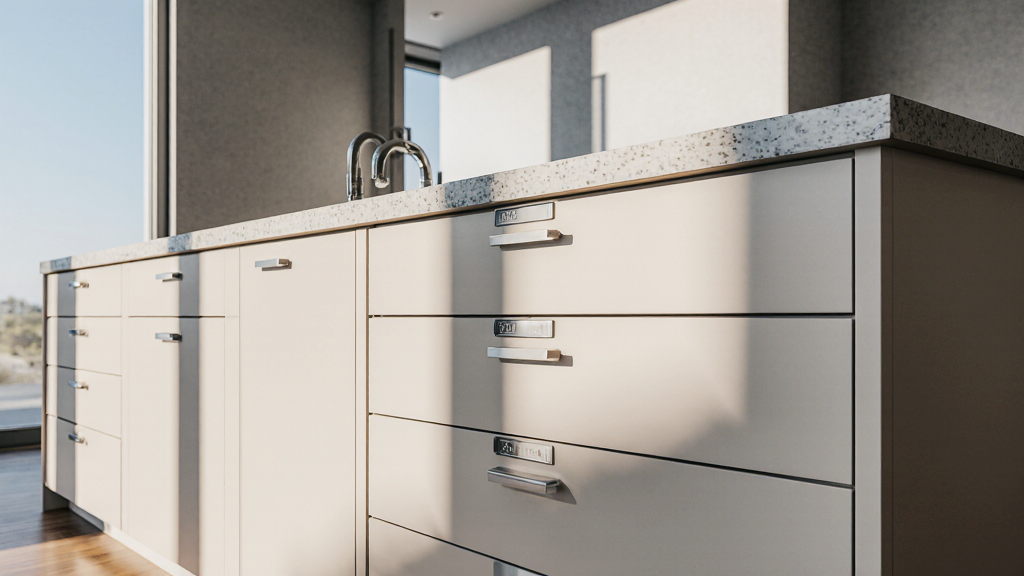
An essential aspect of your kitchen remodel is the decorative hardware and fittings. Drawer pulls, knobs, and handles may appear small, but these features can elevate your kitchen’s overall design. Premium hardware in polished brass, graphite, or stainless steel introduces a sense of elegance, typically ranging between roughly $5–$30 per piece. Choosing hardware that complements your design aesthetic and stone selection creates a balanced and professional look.}
Environmental consciousness is also influencing how today’s renovators consider the budget for kitchen renovations. Eco-friendly cabinetry made from reclaimed wood, rapidly renewable resources, or environmentally safe sealants is becoming increasingly popular. These green alternatives not only minimize carbon footprint but also offer long-lasting performance and a natural charm. Selecting sustainable designs may raise upfront costs by 10% to 15%, but it delivers lasting benefits and aligns with eco-friendly lifestyles.}
For those working with a cost-conscious plan, there are creative ways to reduce the installation expenses without sacrificing quality. Combining ready-made lower cabinets with custom upper units, selecting mid-range materials, or refinishing existing cabinets are practical approaches. Remodelers can also reduce costs by handling demolition personally or customizing bare surfaces, if they have the right tools and experience. Consulting with a cabinet installation professional before ordering materials can avoid errors and ensure that the end product fulfills expectations.}
ROI of cabinet installations is another motivation why this project remains one of the most rewarding home improvements. A well-designed and expertly installed kitchen can recoup most of its expense at resale, depending on market conditions and finish grade. Kitchens with bespoke designs often attract higher offers because they reflect craftsmanship, longevity, and functional aesthetics — features that resonate with potential owners.}
Ultimately, grasping your cabinetry investment involves balancing your budget with your aesthetic vision. Every decision, from design concept to final mounting, influences the overall cost and the kitchen’s long-term functionality. Collaborating with seasoned contractors, selecting durable materials, and balancing design with performance will help secure your space stays a blend of elegance and efficiency for years to come. Whether you opt for fully custom kitchen cabinets, the key is to consider your project as both an enhancement of your lifestyle and an investment in future resale potential.